|
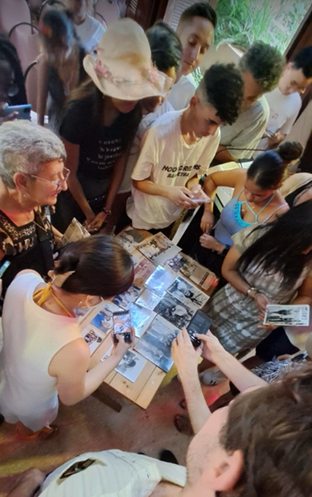
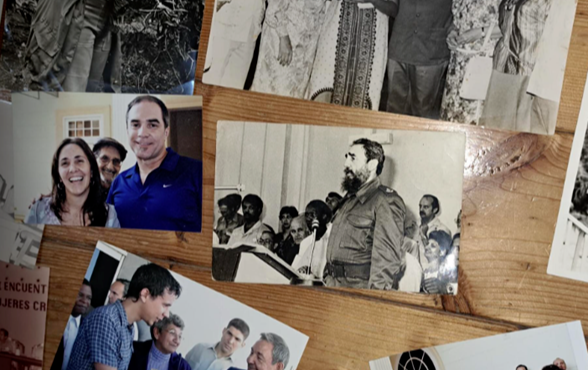
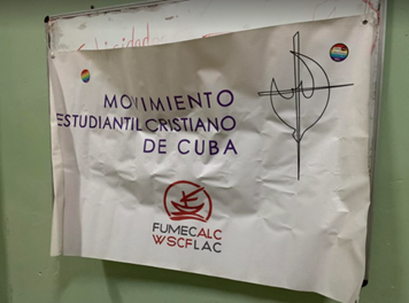
By Nathan Samayo (any pronouns), Princeton Theological Seminary, and Emily Carle (she/her), Louisville Presbyterian Theological Seminary We began the assembly this morning with a devotional time led by Idael Montero Pacheco, pastor at Iglesia Bautista Ebenezer in Habana. We split into groups by geographic region to discuss Luke 24:13-33, the moment when two disciples met Jesus on the road to Emmaus. The North American delegation had a lively conversation about suffering, grace with others, and the nature of transformation in light of political and economic turmoil between the United States and Cuba. Our bible study and morning devotion was a wonderful way to begin our day. For out afternoon activity, we started at Iglesia Presbiteriana Reformada Dora E. Valentín in Varadero (Presbyterian Reformed Dora E. Valentín Church). We were greeted by one of their church elders who, of course, was also a long-time participant of Movimiento Estudiantil Cristiano de Cuba. While learning more about the history of Pres. Church in Varadero, we were shown images of the different SCM events held at Pres. Church in Varadero, of congregational leaders who attended the Evangelical Theological Seminary of Matanzas, and also of Fidel Castro accompanied by Rev. Jesse L. Jackson attending a Methodist Church in La Habana. What a blessing it is for these churches to have these archives—one that paints a historical outline of the ways in which ministry, politics, and revolution have all intersected.
Just down the street from Pres. Church in Varadero, we spent the rest of the afternoon (and into the evening) at Playa Varadero (Varadero Beach). Unless you’ve been to a beach on an island, it’s hard to imagine being able to see the curvature of the Earth. It was a wonderful site to see. The water was warm, and the sand sank between your toes. If I have to be honest, when it comes to solidarity trips like the one we did in Cuba, I am initially skeptical about doing things like spending time at the beach, going to restaurants, and other activities that seem “pleasurable” and borderline, “touristy.” However, while at the beach, I remembered just how important it was to experience joy, recreation, and connection with those you are organizing with. This is not to de-center the significance of why we went to Cuba in the first place—but it is to recognize that connection, solidarity, and relationship happen in numerous ways—some of those ways being through rest, relax, and fun. We stayed at the beach for about four hours—swimming in the water, enjoying a snack, and taking many pictures to archive this wonderful moment. However, we couldn’t escape from casual conversation regarding staying connected and working together to fight the vicious U.S. blockade. Even while swimming in the water, we chatted about “what’s next,” if Cuba has ever done solidarity trips like this with other Student Christian Movements, and what we foresee in the future as we keep this relationship going. Spending time in the water with Movimiento Estudiantil Cristiano de Cuba and the Student Christian Movement of Canada not only solidified our commitment to end the nightmare of the U.S. blockade—but also made us desire, even more, how much we want to see our Cuban family free. As we wrapped up our beach time (and the rest of the day because we were all so tired), the image of all of us laughing, hugging, and being silly is never going to leave my mind and my heart. This is just the beginning. 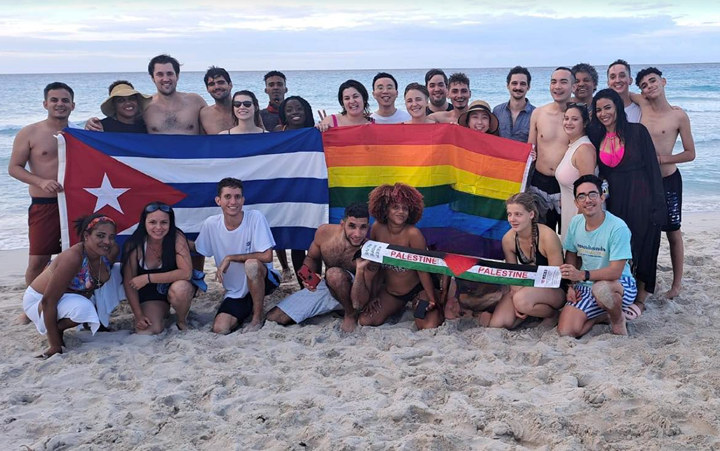 Cuba, U.S., and Canada delegations at Playa Varadero, November 24, 2023
0 Comments
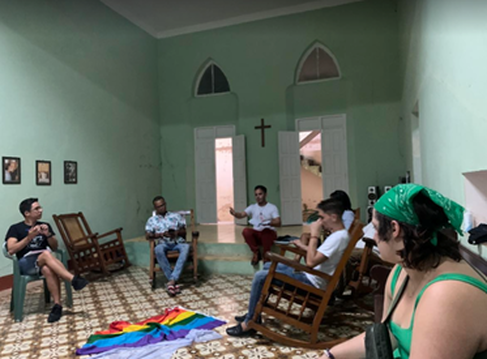
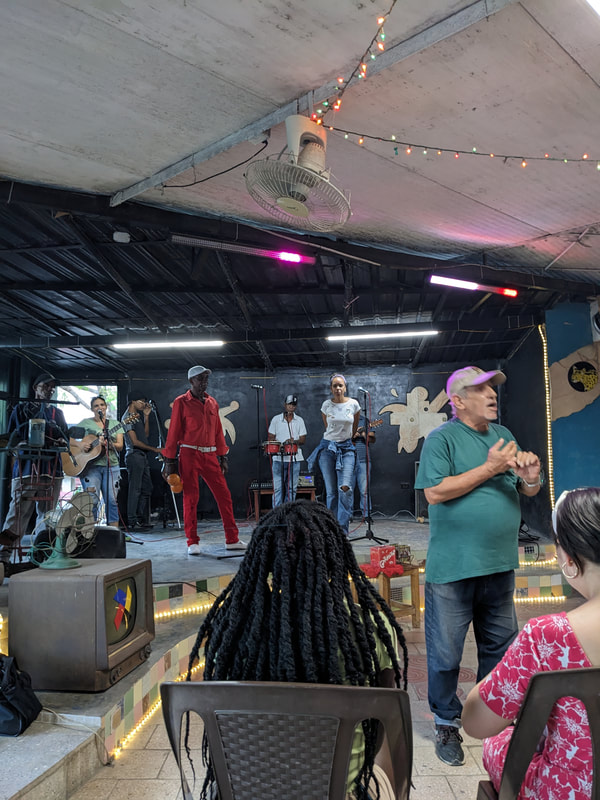
By Nathan Samayo (any pronouns), Princeton Theological Seminary In the morning, we boarded the bus from La Habana to Cárdenas. It was a lovely stay at La Iglesia Presbiteriana-Reformada de Luyanó (First Presbyterian-Reformed Church of Luyanó) that ended with a bitter-sweet departure. First Pres. Luyanó was the location of our first meet-and-greet with the Movimiento Estudiantil Cristiano de Cuba (MEC/SCM-Cuba); our starting point before heading out to Havana to learn more about Fidel Castro, the Revolution, and the subversive witness of the Church; our ending point where we gathered around a nourishing meal, discussed what we learned that day, and pondered how to keep these relations going when the U.S. blockade makes it nearly impossible. This is a THANK YOU to First Pres. Luyanó, our wonderful hosts and now, family. Before heading to our next temporary residence, we made a stop at the Evangelical Theological Seminary of Matanzas (SET). We were greeted with delightful refreshments by the wonderful staff, faculty, and administrators before diving into a panel on the history and origins of SET. Founded in October 1946, the Evangelical Theological Seminary of Matanzas offers theological training and formation for Methodist, Presbyterians, Episcopalians, and more, for congregational and educational contexts, in Cuba and beyond. SET offers programs from Bachelor of Theology to Doctor of Philosophy including “distance-learning” programs, and their seminary houses a topically-diverse library, online research database, and wonderful bookstore (where I finally bought Delores Williams’ Sisters in the Wilderness). The library and seminary always welcomes gifts and donations through the Matanzas Seminary Book Fund, so please support this wonderful institution. With that, Evangelical Theological Seminary of Matanzas is very attentive to the critical problems Cuba experiences as a result of the vicious U.S. blockade: food shortages, lack of educational supplies, and blackouts (power outages). Centering these economic and social crises’—again, as a result of the U.S. blockade— SET is committed to training theological and ministerial leaders to use congregational ministry as a means to organize and provide care to those who have been made vulnerable. With that, SET offers on-site resources as well including fresh produce from the campus garden and clean water for the community. No wonder why they have such an honorable presence in the Cuban church scene. U.S., we must do better! 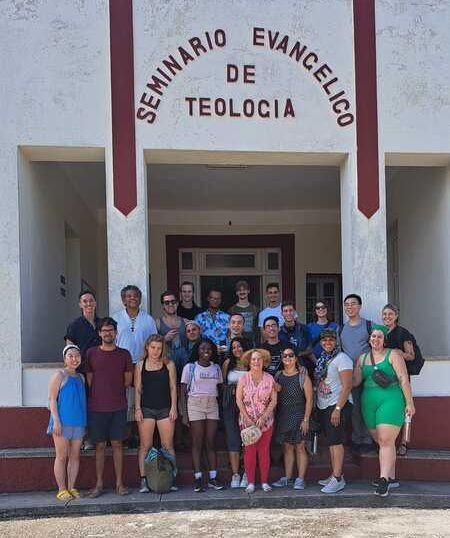 Cuba, U.S., and Canada delegations at Evangelical Theological Seminary of Matanzas, November 23, 2023 We then departed to the Iglesia Presbiteriana Reformada “Juan G. Hall” en Cárdenas (Juan G. Hall Presbyterian Church in Cárdenas). Pres. Church in Cárdenas was our temporary residence for the rest of our trip, and upon arrival, they greeted us with a warm meal. After lunch and settling in, we began the Movimiento Estudiantil Cristiano 2023 General Assembly. We began with introductions, and I was so delighted to have met people from across Cuba from La Habana, Matanzas, Santiago, and more. Movimiento Estudiantil Cristiano has a robust history in Cuba, and it was inspiring to see how previous MEC leaders continue to stay engaged with the movement and its leaders (I hope the same for WSCF-US!). We broke into small groups to discuss the question: what can we do about the current political crises between the United States and Cuba? Our group from the United States proposed a long-term organizing group to strategize ways to continue (a) providing aid to Cuban congregations and communities, (b) public education on U.S.-Cuba political relations, and (c) political organizing to end the U.S. blockade. After our first General Assembly session, we sat in the Pres. Church sanctuary for music, prayer, and conversation with the pastors, Alison Infante- and Sarahi Zamora. It was a wonderful Thursday, not only for the warm hospitality we received, or the relationships cultivated—but for a chance to think critically about the ways we can be in community and solidarity with our Cuban counterparts, organizing against the death-dealing blockade made to alienate us from one another and punish the Cuban government for fighting for their freedom.
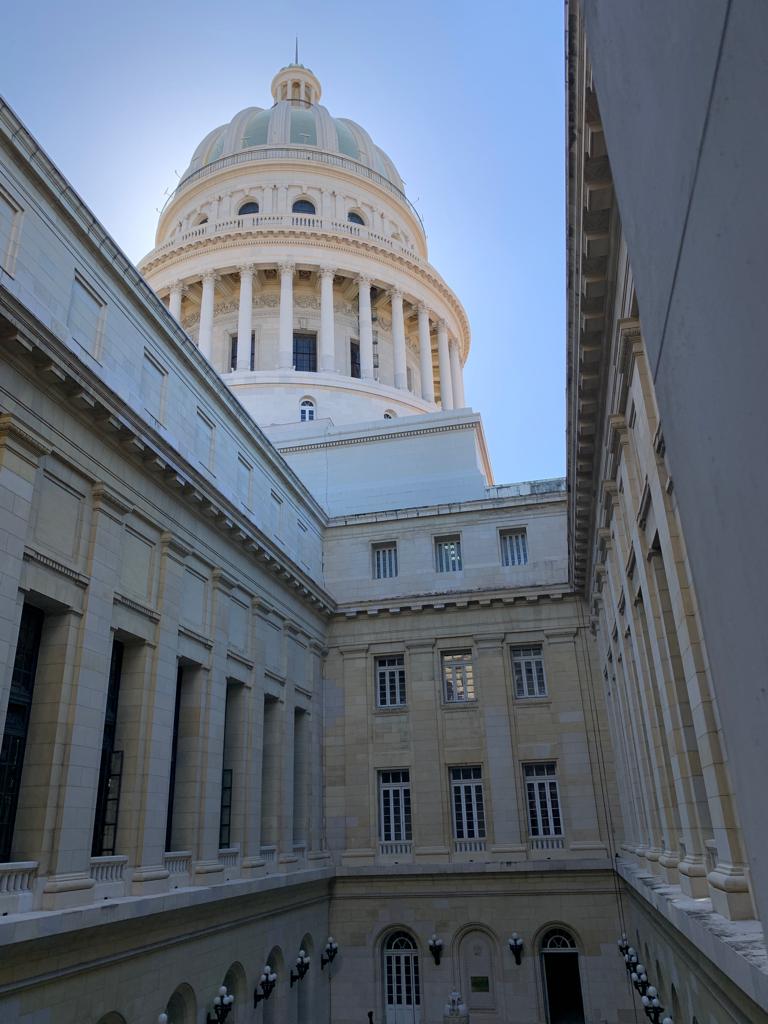
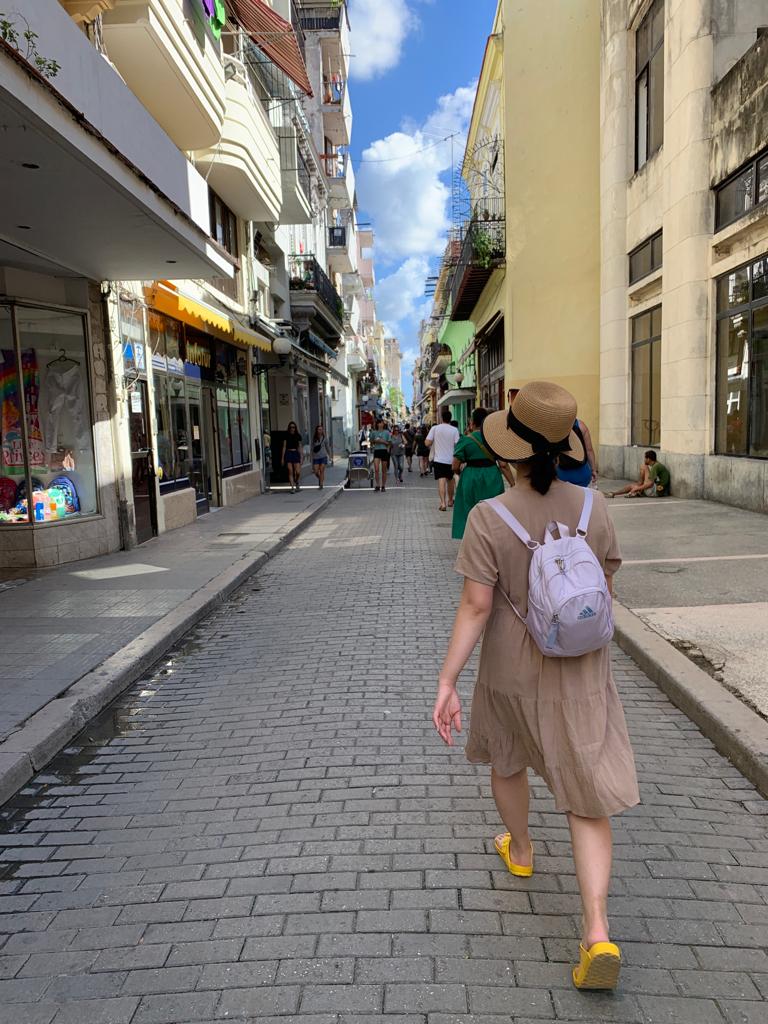
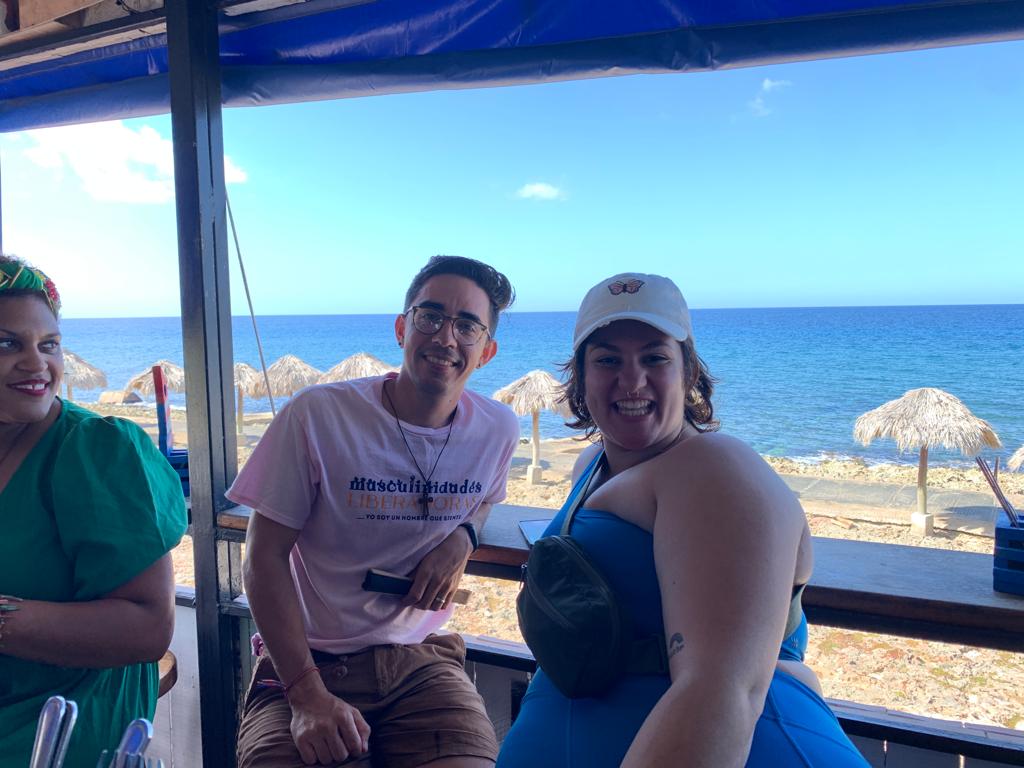
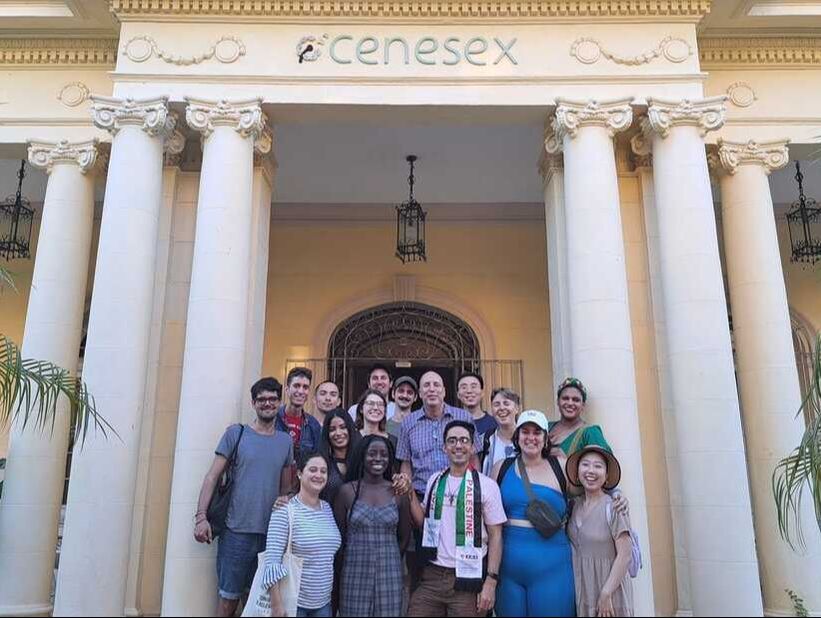
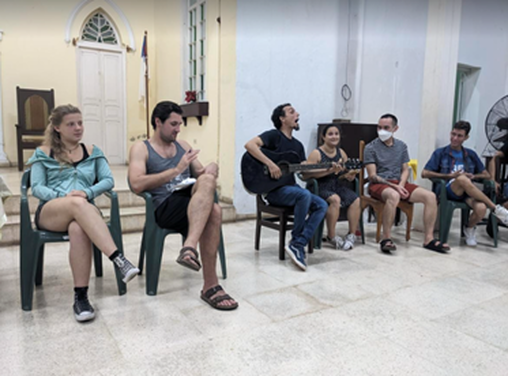 Worship, Prayer, and Conversation session with Pastors Alison Infante and Sarahi Zamora of Iglesia Presbiteriana Reformada “Juan G. Hall” en Cárdenas By Nana Boahen (she/her), Yale Divinity School Today, my peers and I learned more deeply about Cuba’s social and political history and the impact of American foreign policy. The day began with a guided tour of the Capitol building where participants were invited to understand Cuba’s pre socialist history including its struggle for independence from Spain, the legacy of national hero Jose Marti, and Cuba's evolving relationship with the United States. Our time at the Capitol building was informative and gave context to contemporary events. I felt gratitude for the opportunity to learn from Cuban educators who elevated themes about national pride, self determination, and culture. Our guided tour was followed by an exploration of old Havana through patronizing businesses. We had a chance to see the creativity and ingenuity of Cuban people and witness the central place of art in Cuban culture. Afterward we enjoyed a delicious Cuban cuisine by the oceanside. It was my first time having Cuban cuisine and my meal was delightful. After lunch, we spent time at the National Center of Sexual Education learning about the trailblazing work being done in regards to comprehensive sexual education, women's and LGBTQ+ rights. I am passionate about comprehensive sexual education in global contexts and appreciated their ability to engage in popular education to advance social change. I made noteworthy connections with leaders at the center and I am looking forward to nurturing those relationships. In conclusion, Wednesday was a day of learning, delighting in Cuban culture and connecting to others.
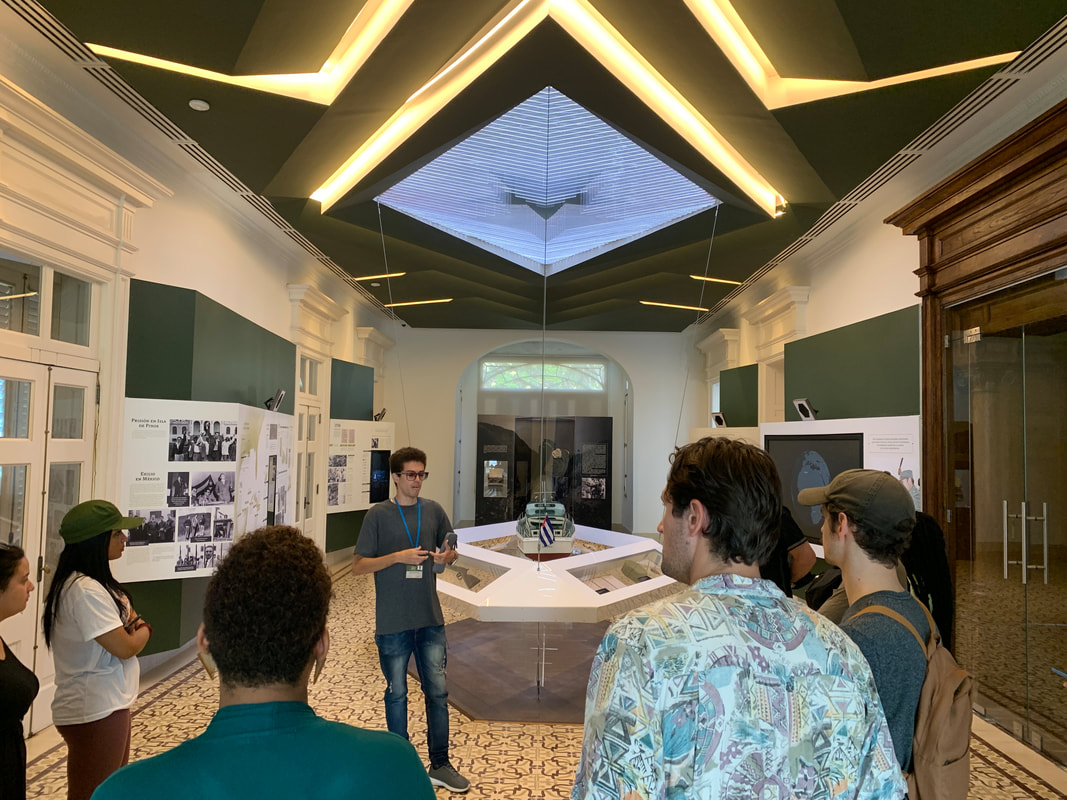
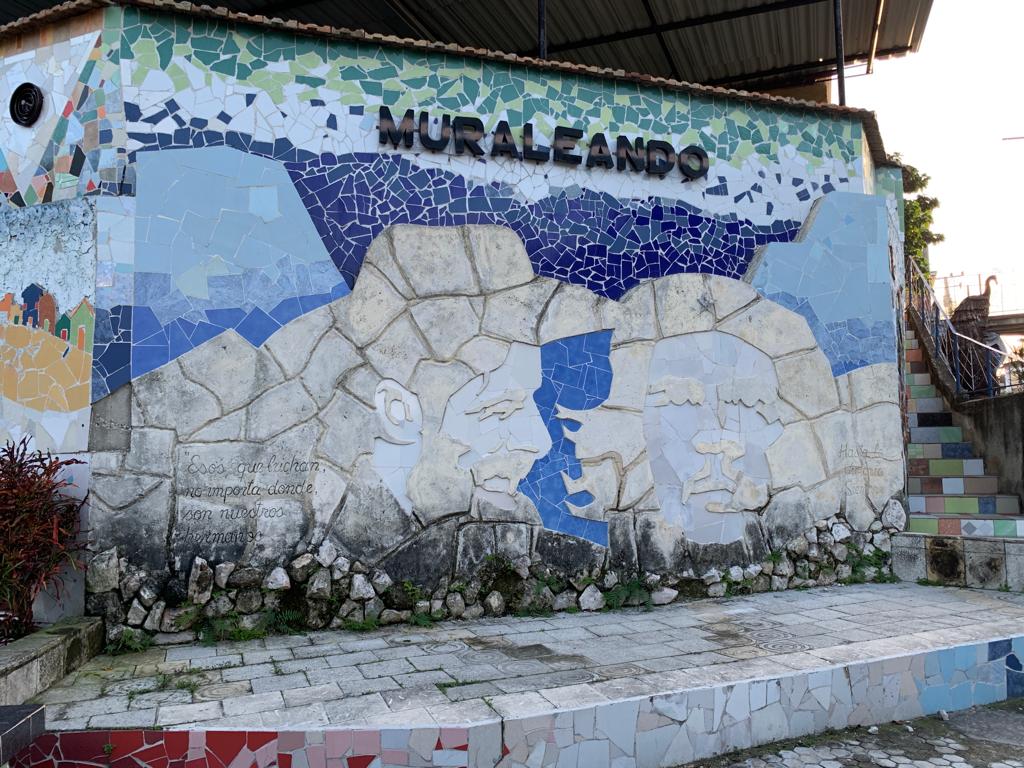
By Emily Carle (she/her), Louisville Presbyterian Theological Seminary Our theme for yesterday must have been political history because we got a large dose of it! We began our day with a guided tour of the Fidel Castro Center (Centro Fidel Castro Ruz - CFCR). Castro was clear that he did not want any idolatry created in his memory after he passed, so the Center is not necessarily a museum. (It is also because of this request that there are no statues of Castro in Cuba or schools named after him, etc). At the CFCR, we learned about Castro’s life, saw pictures of him from childhood to his elder years, watched clips of his speeches, learned about Cuban international affairs, and even saw the car he used to drive around the country with. While we were there, a Russian diplomatic delegation was visiting as well! Popular place. Before we stopped for lunch, we visited the city of Miramar to find the childhood home of WSCF delegate Emerson’s grandfather (Papi). He was born in Havana and lived in nearby Miramar until age 13. We found the house, and it was so special to experience this moment with Emerson After lunch we went to the Memorial de la Denuncia which showcased and memorialized the tragedies against Cubans that occurred over the last 60 years from foreign powers. Over 3000 Cubans have been killed. We learned about Operation Peter Pan, biomedical warfare, assassination attempts against Castro, and media manipulation against Cuba. It was a very emotionally heavy but important visit. After, we swung by the Muraleando, which reminded me of The Heidelberg Project in Detroit or the Hundertwasser in Vienna Austria. It is an artist space that used to be a dump, and before that, a water tower. In 2009, the original muralists transformed it into a beautiful building covered in paintings and sculptures. It is now a collective for artistic folks to teach free classes on ceramics, theater, music, drawing, painting, and more. We had the opportunity to purchase art by some of the artists! I got a painted cigar box :). Charles Shultz’s son came once and painted a portrait of Snoopy on the wall! Today was also the day we packaged up our medical donations for the Cuban people, and the Movimiento Estudiantil Cristiano de Cuba (MEC-C) was blown away by how much we brought. The items will be distributed to Cuban people by MEC-C. For dinner, we had classic rice and beans, and I think it was everyone’s favorite meal of the day. Can’t go wrong with comfort food!
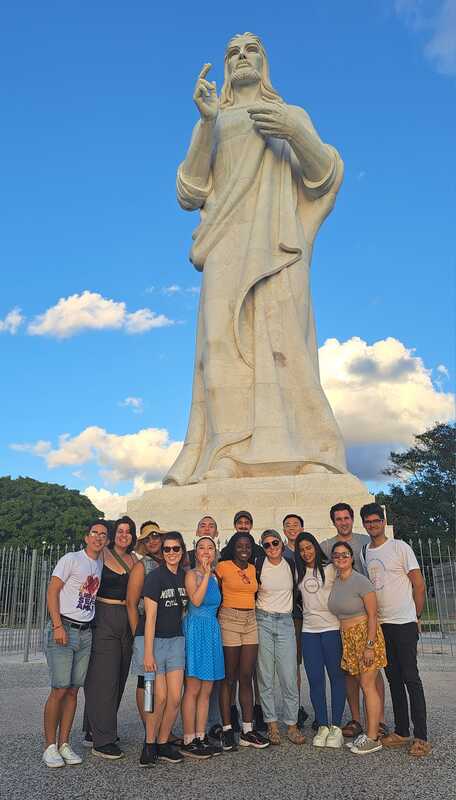
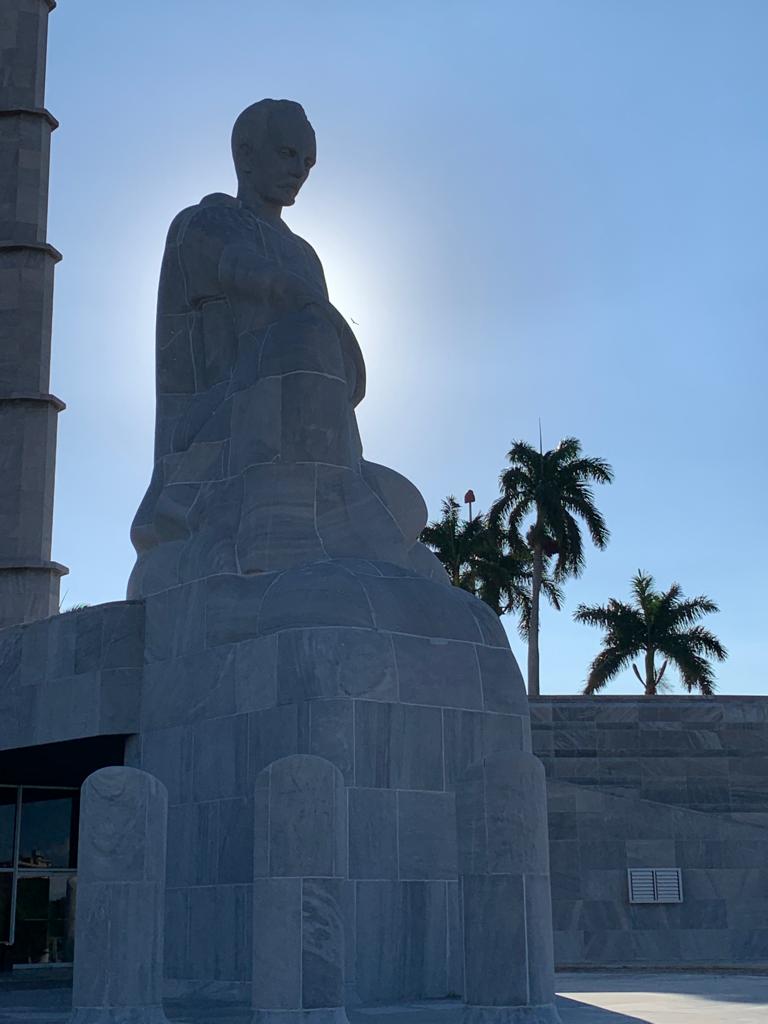
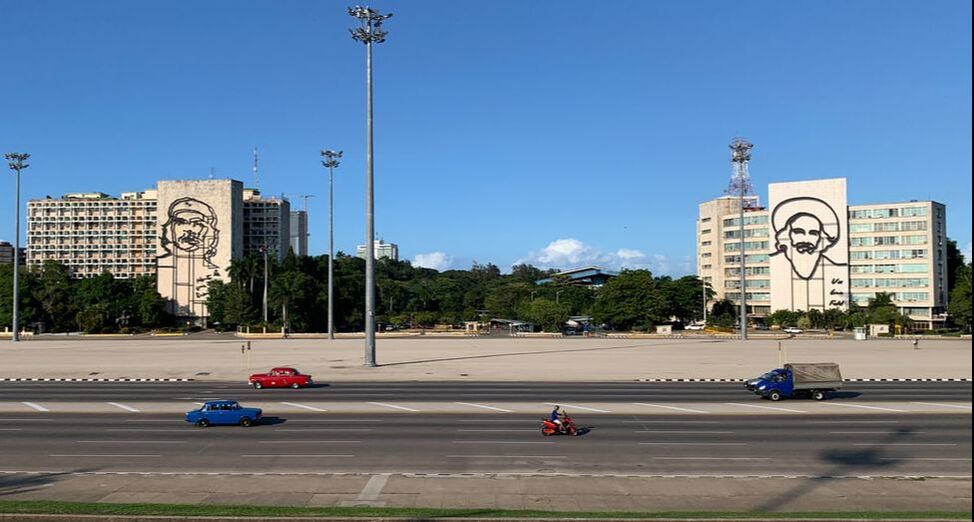
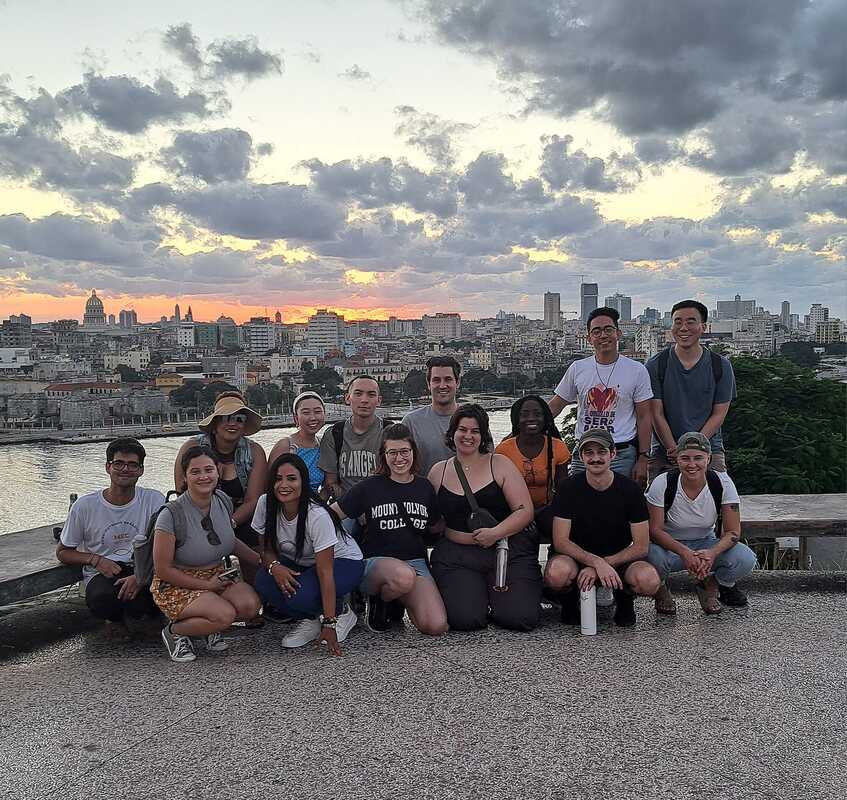
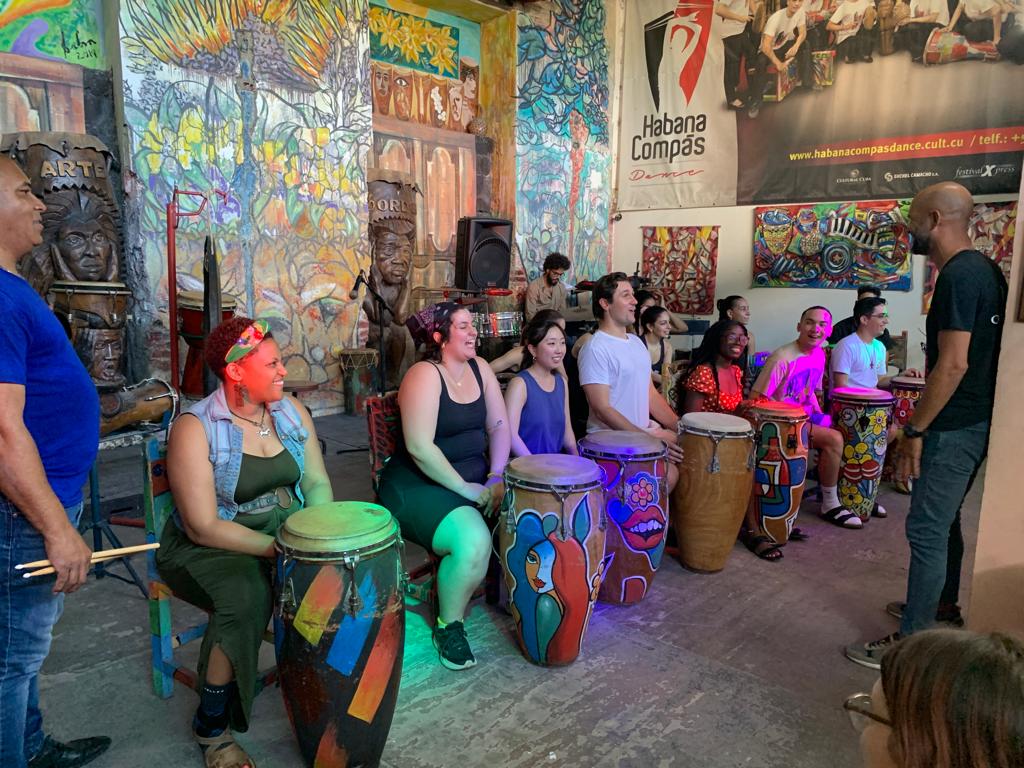
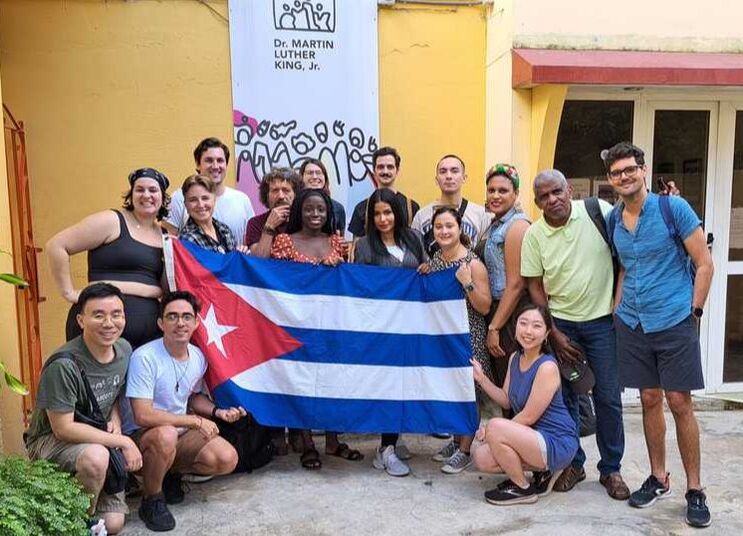
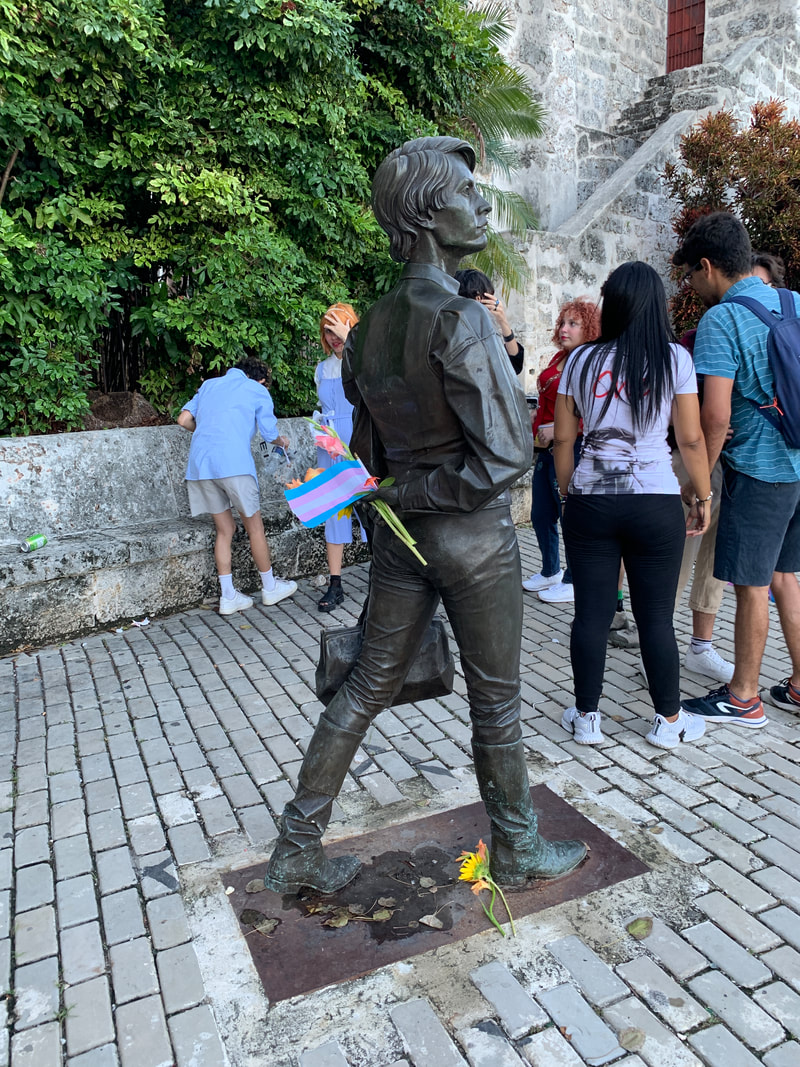
By Claire Kim (she/her), Underground Seminary Hello everyone! Thank you for taking the time to read this update and for all of your prayers and support! Yesterday, we arrived safely in Varadero and drove to our lodging at the Presbyterian Church of Luyanó in Havana. We watched the sunset from the Christ of Havana National Monument (built 1958) which sits on a hill across the bay overlooking the city. It is as if Jesus is watching over the city and people of Havana with his love and protection. After dinner, we headed to the Cuban Art Factory, which opened some ten years ago as an arts and music venue after being converted from an old oil refinery. We took an Afrobeats dance lesson(!) and then explored the art galleries and many concert rooms with different artists who were performing that night. This morning, we visited the Martin Luther King Jr. Center in Havana, where we attended a lecture from Joel Suarez, son of Rev. Raul Suarez who in 1991, through organizing work and meetings with Fidel Castro, helped remove the requirement of being atheist in order to join the communist party. Prior to this, Castro did not recognize the role of faith in Cuba’s revolution, and those who believed were excluded from certain types of education, careers, and leadership positions. We learned about the history of Cuban Christians and churches’ relationship with the revolution and the power of testimony in changemaking, including changing Castro’s opinions on religion over time. It was a powerful and empowering morning. In the afternoon, we visited Habana Compas Dance, a dance company that weaves together percussion and dance in the same choreography. Spanish and African dance and music styles were blended together to create a uniquely Cuban style and sound that were incredible to witness. Afterwards, several of us participated in a competition to copy the instructor’s rhythm on the drums, and Kiegan and I were the last ones standing! As prizes, we were gifted a Cuban-style clave (percussive instrument) and an African-style clave! We then visited Revolution Square where Jose Marti’s monument stands, a leader in the movement for Cuban independence from Spain in the late 19th century. We also took pictures with some beautiful 1950s-style cars. Then we attended a celebration in honor of International Trans Day of Remembrance hosted by the Masculine Trans Group of Cuba of Enriqueta Favez, a Swiss woman who dressed as a man in order to study medicine and then went to Cuba and worked as a male surgeon for four years before being found out as a woman. Now we are on our way to visit the National Hotel! More soon!
The WSCF Trustees are saddened by the death of our long-time friend and colleague, Rev. Jim Palm. Jim first worked with the Student Christian Movement of the Philippines as chaplain at Silliman University and served for over 30 years on the Board of the WSCF Trustees.
You can find further memorium information in the recent Federation News published by WSCF Geneva on page 18. |
WSCF BlogOccasional updates on WSCF happenings and important updates. ArchivesCategories |
 RSS Feed